
De snelste uitbetalingen in Nederland: Beste Online Casino Zonder Cruks vergeleken
August 31, 2026What makes a casino irresistible to players?
August 31, 2026
The Role of Chance in Gambling
In the realm of gambling, chance plays a pivotal role that often sparks debates among players and experts alike. Gambling is inherently unpredictable, with outcomes influenced by randomization, especially in games such as slots or roulette. This randomness is what many players count on when they take their chances in a casino setting, believing that luck can be their ally in striking it rich. For those looking for an exciting experience, the option of a crypto casino instant withdrawal can add an extra layer of thrill to the game. While some may argue that skill and strategy can tip the scales, the undeniable presence of luck remains a fundamental element that cannot be ignored.
A classic example is slot machines, where every spin is determined by a random number generator. Players have no control over the outcomes, yet they embrace the anticipation that their next spin could lead to a jackpot. This hope and excitement are fueled by a belief in luck, which can influence betting behavior and lead to a more engaging gambling experience. The thrill of watching the reels spin, combined with the prospect of winning, encapsulates the essence of why many people are drawn to casinos.
Moreover, the notion of luck transcends the mere mechanics of games; it also encompasses superstitions and rituals that players engage in. From lucky charms to specific seating arrangements, many bettors believe that these practices can enhance their luck. Such behaviors highlight how deeply ingrained the concept of luck is within the casino culture, further suggesting that it has a tangible influence on the gaming experience. Understanding this aspect of gambling can enrich the overall experience for players who often seek that extra edge in their favor.
Skill vs. Luck: Finding the Balance
While luck undeniably plays an essential role, it is equally important to consider the significance of skill in various casino games. Games like poker and blackjack require strategic thinking, patience, and a strong understanding of probabilities. In these scenarios, experienced players often have a distinct advantage over novices, as they can leverage their skills to make more informed decisions. This blend of skill and luck creates a complex ecosystem within casinos, where outcomes can be swayed by both factors.
Take poker, for instance. While luck may determine the cards you’re dealt, skill comes into play during the game itself. Players must evaluate their hand, assess their opponents, and make calculated bets based on various factors. A skilled player can often capitalize on favorable situations, even when luck seems to be against them. This dynamic shows that while luck is a factor, it’s the ability to navigate the unpredictability that often leads to long-term success.
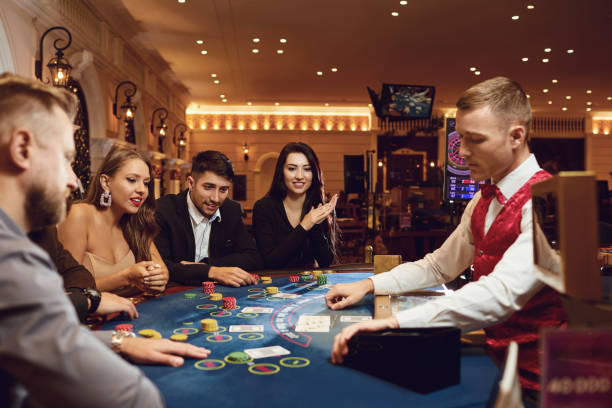
Thus, understanding where skill ends and luck begins is crucial for any serious gambler. Those who rely entirely on luck may find themselves facing long-term losses, while those who incorporate skillful strategies can mitigate risks and increase their chances of winning. Striking a balance between these two elements is vital when aiming for success in the casino environment, as it allows players to enjoy the thrill of gambling while being mindful of the inherent risks involved.
The Psychology of Gambling and Luck
The psychological impact of luck on gambling cannot be overlooked. Many players experience a phenomenon known as ‘gambler’s fallacy’, where they believe past outcomes can influence future events. For example, if a particular number hasn’t come up in roulette for a while, players may feel inclined to bet on it, thinking it is “due” for a win. This misconception illustrates how luck shapes decision-making in casinos and highlights the emotional rollercoaster that gambling can create.
Additionally, the excitement associated with the possibility of winning can lead to cognitive biases that further distort a player’s perception of luck. When a player experiences a series of wins, they may feel invincible, attributing their success to luck or personal charms. Conversely, a string of losses can lead to feelings of frustration and the belief that they are “unlucky.” Such mental states can significantly impact betting behavior and risk tolerance, creating a cycle that can be difficult to escape.
Furthermore, the casino environment itself is designed to enhance feelings of luck and excitement. From flashing lights to celebratory announcements of wins, the atmosphere can amplify the highs and lows of gambling. This psychological element reinforces the idea that luck is a powerful force, capable of turning fortunes around in an instant. Understanding the psychological dimensions of luck can help players approach gambling with a more balanced and informed mindset, allowing them to enjoy their experience while remaining aware of the emotional influences at play.
The Role of Casino Strategies in Mitigating Luck’s Impact
While luck is an omnipresent component of gambling, players can adopt various strategies to help mitigate its impact. By aligning their gameplay with well-researched strategies, gamblers can improve their odds and manage their bankrolls more effectively. For instance, in card games like blackjack, players often utilize strategies such as basic strategy charts or card counting to inform their decisions. These methods rely on probabilities rather than luck, enabling players to make decisions based on statistical advantages.

In addition to strategic gameplay, setting limits is another essential strategy to minimize the effect of luck on a gambling experience. By establishing clear budgets and sticking to them, players can better control their losses and avoid the pitfalls of chasing bad luck. This disciplined approach not only helps in managing finances but also nurtures a healthier gambling mindset, allowing players to view gambling as entertainment rather than a means to wealth.
Ultimately, while luck will always be an unpredictable element in the casino, employing strategic methods can enhance a player’s overall experience. In doing so, individuals can navigate the complexities of gambling with a greater sense of confidence and purpose, effectively leveraging their skills while recognizing the role of luck in their gaming journeys. Players who take the time to understand their game and develop strategies can often find themselves more in control of their outcomes, contributing to a more satisfying experience overall.
Conclusion: Understanding Your Role in Luck and Success
In the world of casinos, recognizing the interplay between luck and skill is fundamental to navigating one’s gambling journey. While luck may significantly influence short-term outcomes, long-term success is often achieved through a combination of strategic play and personal discipline. By understanding the psychological aspects of gambling, players can cultivate a more educated perspective, enabling them to approach games with both excitement and caution.
To maximize your experience, it’s essential to engage with a variety of games and apply learned strategies while respecting the unpredictable nature of luck. Whether you are drawn to skill-based games or prefer the thrill of chance, the essence of gambling lies in its ability to evoke feelings of anticipation and excitement. By acknowledging the role of luck while also honing your skills, you can find a balanced approach to your gaming endeavors.
As you explore the gambling landscape, remember that luck may be a significant factor, but your decisions, strategies, and mindset can shape your overall success. With the right balance, you can enjoy the thrill of the casino while enhancing your chances of a rewarding experience. Ultimately, the journey of gambling is as much about personal growth and understanding as it is about winning or losing, making it a rich and engaging experience for all who participate.